On the Outer Banks, mosquito season usually starts in spring and becomes more noticeable as temperatures warm, humidity rises, and rainfall leaves behind breeding sites. Across North Carolina, mosquito activity is commonly described as beginning in early to late spring and continuing into fall, with peak pressure in the warmest, most humid months.
Outer Banks locals know that the area’s marshy conditions, standing water, and post-rain moisture are major reasons why mosquitoes become such a persistent problem as the heat of the summer wears on.
For homeowners, vacation rental owners, and property managers, that means mosquito control should start before summer is in full swing. Waiting until your yard is already uncomfortable usually means mosquitoes have already had time to breed and spread.
Why Mosquito Season Starts Early on the Outer Banks
The Outer Banks creates ideal mosquito breeding conditions. Warm weather, frequent rain, shaded vegetation, and water-holding areas around homes all help mosquito populations build.
NC State’s Extension Office notes that mosquitoes need water to complete their life cycle, and depending on water temperature, eggs can hatch quickly once water is available. The Center for Disease Control (CDC) recommends eliminating standing water around the home because even small containers can become breeding spots.
That is especially important on coastal properties with:
- Clogged gutters
- Birdbaths and planters
- Low spots in the yard
- Dense shrubs and shaded landscaping
- Pool and patio areas
- Seasonal vacancy at vacation homes
When Should You Start Preparing for Mosquito Season?
The best time to prepare for mosquito season is in spring, before mosquito pressure peaks.
Early prevention gives you a chance to reduce breeding areas, improve drainage, and put a treatment plan in place before mosquitoes take over outdoor spaces. Dare County’s mosquito program also follows an integrated approach built around source reduction, larviciding, adulticiding, and biological control, which supports the idea that the best results come from acting early and using more than one strategy.
If you are planning a wedding or special event in the summer, be sure to check with your venue to see what their mosquito control plans are for the space in advance! Generally, the first service must be done at least 3 weeks before your event with a second and final treatment 48 hours before your occasion to ensure your space is fully protected when guests arrive.
How to Prepare Your Outer Banks Property for Mosquito Season
A few proactive steps you can take to prepare your Outer Banks home for mosquito season will make a big difference. Some of the best advice we can provide property owners includes:
- Dumping standing water regularly
- Keeping gutters and drains flowing
- Cleaning out flowerpot saucers, buckets, and toys
- Refreshing birdbaths often
- Trimming back overgrown shrubs
- Addressing damp, shaded resting areas near the home
The CDC notes that adult mosquitoes often rest in dark, humid areas like under patio furniture, garages, and similar sheltered spots, which is why many of our mosquito control treatment plans often focus on those areas instead of just open lawn space.
How In2Care® Helps Reduce Mosquito Pressure

For many of our mosquito pest control clients, we recommend a mosquito trapping system called In2Care® that works as part of a proactive mosquito control plan that targets mosquitoes in a different way than a standard spray treatment.
The bait station attracts egg-laying female mosquitoes and helps control both adult mosquitoes and larvae. Because it works through mosquito behavior, it can help reach breeding activity in places that are harder to find or fully eliminate.
This makes In2Care® especially valuable on the Outer Banks, where hidden breeding sites and recurring moisture can make mosquito control more challenging from property to property. In2Care® is also a great eco-conscious option for local mosquito control.
Why Barrier Treatment Sprays Still Matter
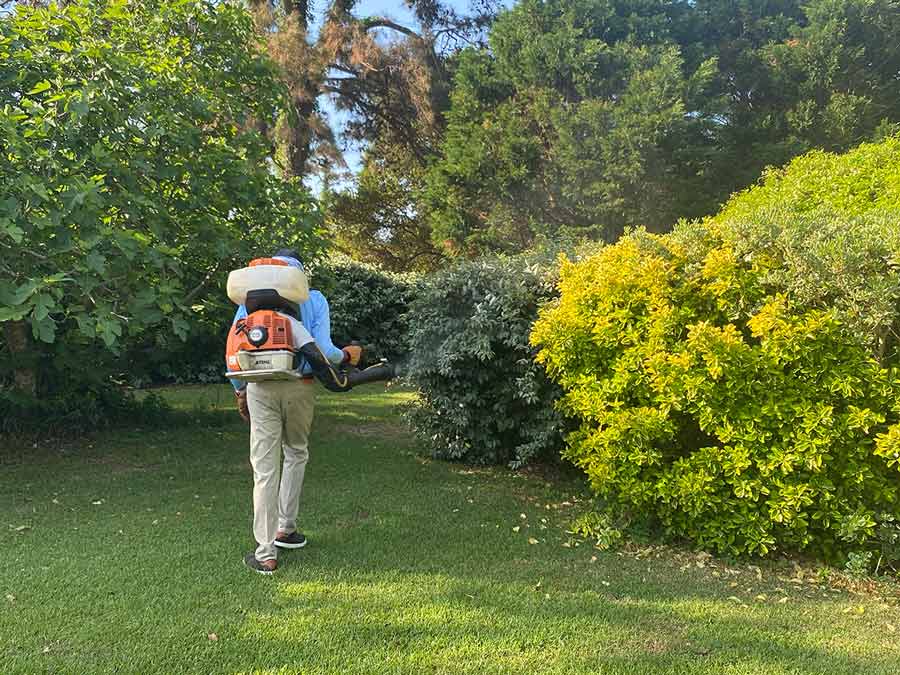
Barrier treatment sprays and In2Care® do different jobs, and that is why they work well together. Barrier treatments are designed to reduce adult mosquitoes in the areas where they rest and hide, such as shrubs, shaded landscaping, under decks, and around outdoor living spaces.
The CDC specifically recommends targeting adult mosquitoes in dark, humid resting areas.
Pro 1’s barrier spray page also already explains that In2Care® can be added as a complementary service for broader mosquito protection, making this blog a natural internal link source for both services.
The Best Mosquito Control Plan is Layered
No single method does everything. Pesticides alone are a short-term solution and that long-term mosquito reduction depends on integrated pest management.
For many Outer Banks properties, the strongest plan includes:
- Reducing standing water
- Improving yard conditions that support mosquitoes
- Starting service early in the season
- Using barrier sprays for active adult pressure
- Adding In2Care® where ongoing breeding pressure is a concern
A layered approach best fits both local conditions and the broader mosquito management guidance used by public agencies and extension sources.

Don’t Wait Until Summer is Miserable
If you are wondering when mosquito season starts on the Outer Banks, the short answer is: earlier than most people think. Once spring weather settles in and standing water starts collecting, mosquito activity can build quickly.
Early pest prevention gives you a better chance to protect patios, decks, pools, rental properties, and backyards before mosquito pressure becomes harder to manage.
If you want to enjoy your outdoor spaces more this season, start with a plan now. Contact Pro 1 Pest Control online or call us today at 252-261-3111 to schedule a mosquito inspection and ask whether barrier treatments, In2Care, or a combined treatment plan is the right fit for your property.