Pest control is not a one-time service, especially in Northeastern North Carolina. Between our coastal climate, high humidity, and overall mild winters, pests are active year-round. The types of pests may change, but the risks never really go away.
If you are a year-round homeowner, business owner, or a vacation rental owner or property manager with multiple properties on the Outer Banks, having a seasonal pest management plan is the most effective way to protect your home, your investment, and your peace of mind.
What Seasonal Pest Control Do You Need Throughout the Year in Northeastern NC?
This guide breaks down what pests to expect each month in our region and what we do to stay ahead of them month over month through our preventative maintenance plans.
Each season of the year proposes its own unique pest struggles. That is why it is important to work with professional pest technicians like us at Pro 1 Pest Control to service your Outer Banks or Northeastern North Carolina property.
Our pest control company is a part of the National Pest Management Association and the North Carolina Pest Management Association which grants us access to professional development and the latest technology to prevent pests in our region.
January & February – Inspections, Moisture & Hidden Pest Activity
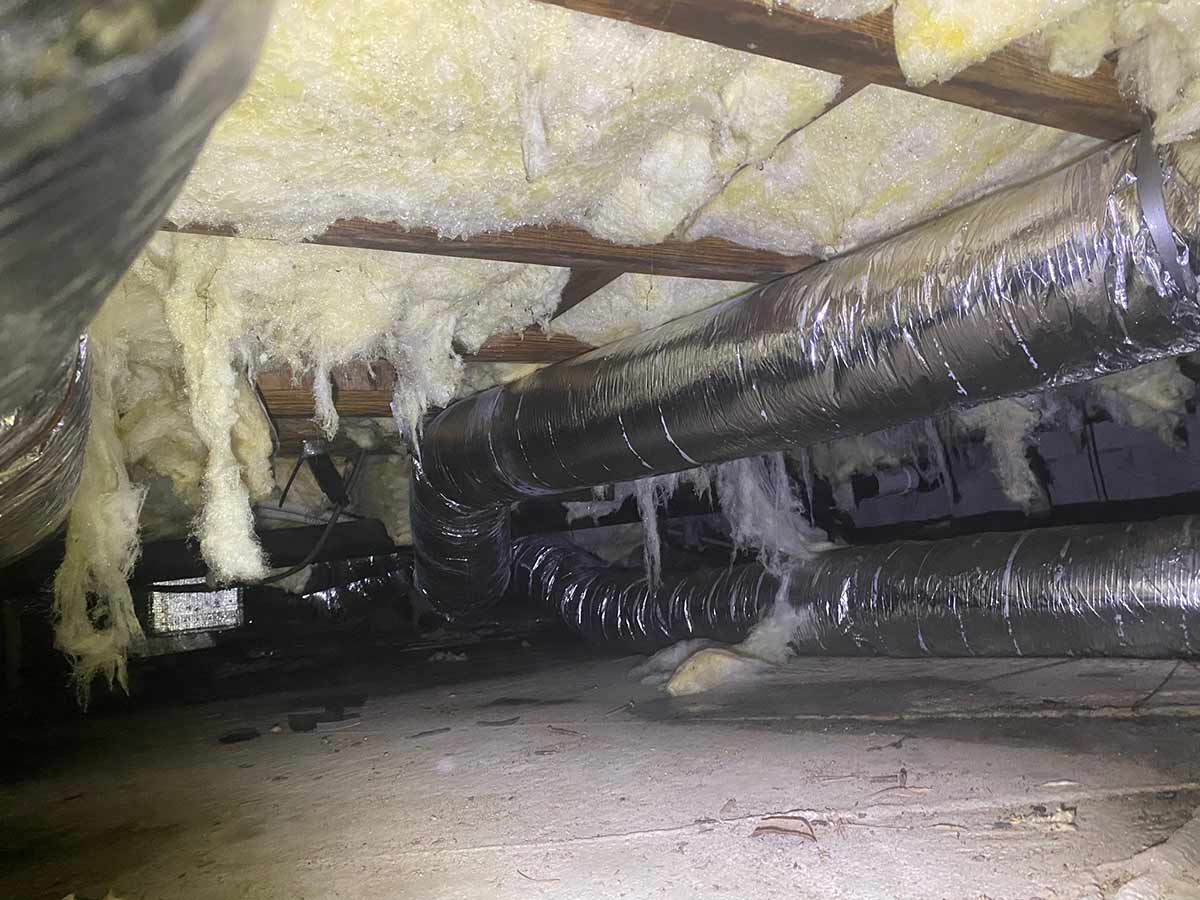
Winter months such as January and February are one of the most overlooked, and most valuable, times for pest control inspections in Northeastern North Carolina.
While outdoor activity slows, pests do not disappear. Instead, they move into foundations, wall voids, and attics where moisture, warmth, and shelter are easy to find. These months are ideal for identifying:
- Hidden pest activity beneath the home
- Moisture buildup that leads to mold, mildew, and wood decay
- Entry points pests will reuse in spring
With fewer active infestations competing for attention, we recommend winter inspections to allow technicians to clearly assess conditions that fuel problems later in the year.
March & April: Termite Swarm Season Preparation

Spring marks the start of termite swarm season in Northeastern NC. Swarmers are often the first visible sign of a nearby colony beneath the soil or within your property’s structure. By the time you see them in March or April, termites may already be active.
Termites thrive in:
- Damp crawlspaces
- Wood-to-soil contact
- Poor drainage areas
- Homes without a long-term monitoring system
March and April are critical months for:
- Annual termite inspections
- Sentricon® installation and monitoring system checks
- Addressing moisture conditions that attract termites
Catching activity early can mean the difference between a simple treatment and extensive structural repairs. We recommend scheduling a termite inspection in March before peak swarm season during National Pest Management month in April to ensure early detection.
April – Early Mosquito Season Readiness

Mosquito season on the Outer Banks and across Northeastern North Carolina begins earlier than many homeowners expect. By April and May, rising temperatures combined with standing water from spring rains create ideal breeding conditions, long before peak summer arrives.
Mosquitoes lay eggs in even small amounts of standing water, and coastal properties are especially vulnerable due to:
- Poor drainage and low-lying yards
- Frequent rain and tidal moisture
- Dense vegetation and shaded areas
Early-season mosquito control focuses on prevention, not just reaction. April and May are critical months for:
- Property inspections to identify breeding zones
- Standing water reduction around foundations and yards
- Early deployment of mosquito control systems like In2Care®, which disrupt the mosquito life cycle before populations explode
- Preparing barrier spray programs before peak pressure
Starting mosquito control early helps dramatically reduce populations later in the summer, making outdoor spaces more comfortable and lowering reliance on reactive treatments. By continuing service throughout the summer months, we’re able to maintain consistent control, interrupt new breeding cycles, and adjust treatments as conditions change ensuring optimal protection all season long, not just at the start.
May – Bed Bugs & Rental Property Inspections
May is a key transition month on the Outer Banks as vacation rentals ramp up their preparations for peak season. Increased guest turnover increases the risk of bed bugs, even in clean and well-maintained properties.
Bed bugs do not come from dirt. The pests often hitchhike on luggage, clothing, and furniture. Early detection and routine inspections are essential to help prevent:
- Guest complaints
- Negative reviews
- Spread between units
- Lost rental income due to unit shutdowns during peak season
Routine inspections and proactive monitoring help rental owners stay protected before summer occupancy hits full speed. May is also a good time to evaluate overall pest readiness before summer pressure peaks.
June – Peak Flea & Tick Season
June marks the start of peak flea and tick season across Northeastern North Carolina, especially in areas with high humidity, wildlife traffic, and frequent pet activity. As temperatures rise, these pests become more aggressive and harder to control without proactive treatment.
Fleas and ticks thrive in:
- Tall grass and shaded yard areas
- Mulch beds and leaf litter
- Crawlspaces, foundations, and under decks
- Properties near wooded areas or marshland
Ticks, in particular, pose serious health risks to both people and pets, including Lyme disease and other tick-borne illnesses. Fleas can quickly infest homes, especially when pets bring them indoors.
June is the ideal time to apply preventative yard treatments before infestations take hold. Protect your pets and family members by combining flea and tick services with your mosquito program from full outdoor protection.
July & August – Cockroaches, Ants, and Moisture-Driven Pests
July and August is one of the most challenging months for homeowners across the Outer Banks and Northeastern North Carolina. Extreme heat combined with persistent humidity creates the perfect environment for cockroaches and other moisture-driven pests to thrive especially inside homes with damp crawlspaces or poor ventilation.
Pests that love humidity like silverfish, ants, and cockroaches, often do not just wander in by chance. They are drawn to:
- Excess moisture under homes
- Condensation on plumbing and HVAC lines
- Standing water or damp soil in your home’s foundation
- Poorly sealed foundations and vents
In coastal homes, these conditions are incredibly common, making August a peak month for indoor cockroach activity. Unchecked moisture can lead to mold and mildew growth, weakened insulation and subflooring, and also set the stage for rodent problems later in the fall and winter.
This is why August is such a critical time to look beyond surface-level pest treatments and address what’s happening underneath the home.
September & October: Rodent Prevention
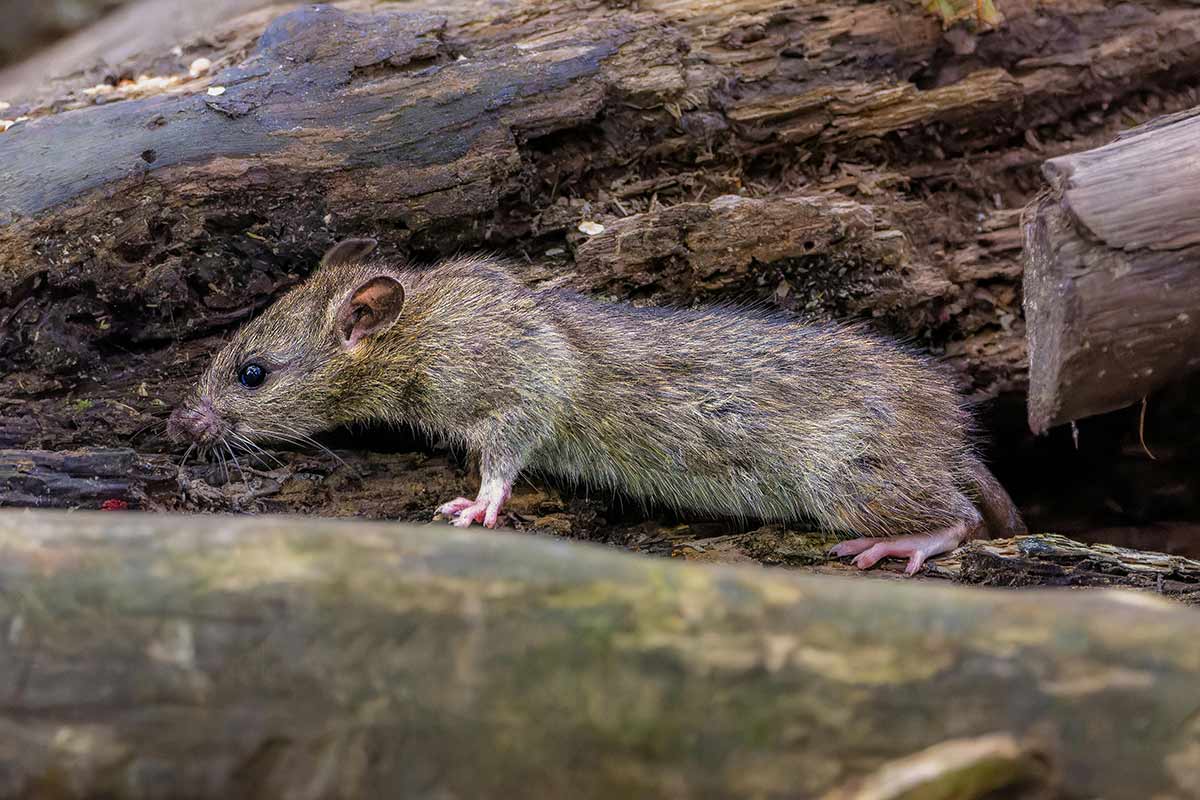
As temperatures begin to cool across the Outer Banks and Northeastern North Carolina in the early fall months of September and October, rodent activity ramps up fast, especially roof rats and mice looking for warmth, food, and nesting sites before winter sets in. Unlike many pests, rodents don’t wait for freezing weather. Fall is when they actively move into structures, using rooflines, attics, crawlspaces, and utility penetrations to gain access.
Early fall is the most effective time to stop infestations before rodents settle in for winter. A comprehensive fall rodent prevention plan focuses on:
- Exterior exclusion to seal gaps along rooflines, vents, utility lines, and foundation penetrations
- Attic & crawlspace inspections to identify nesting activity, damaged insulation, and hidden entry points beneath and above the home.
- Rodent monitoring & baiting strategically placed to intercept activity before rodents reach interior spaces.
- Vegetation & access management that addresses branches, fencing, and structures that allow rodents to reach roofs and siding.
Fall is also the ideal time to lock in a maintenance plan, ensuring continued monitoring and protection through winter and into spring.
November & December – Winterization & Long Term Protection
As the year winds down in November and December, pest control shifts toward prevention and planning. Late fall and early winter are a great time to secure your property for the months and next year ahead.
Services during the late fall and early winter often focus on:
- Prevent rodent nesting through monitoring
- Manage moisture beneath the home
- Protect insulation and structural components
- Preparing homes and rentals for off-season vacancy and conditions with winterization
- Scheduling inspections ahead of the new year
Homes that are winterized properly enter the new year and spring with fewer surprises and fewer repairs.
Why Year-Round Pest Control Matters in Northeastern NC
On the Outer Banks and Northeastern North Carolina’s coastal region, pests do not always follow a strict “on” and “off” season. Our climate and tourism keep pest pressure consistent throughout the year.
A year-round pest management plan helps:
- Catch issues early
- Reduce emergency service calls
- Protect structural components
- Maintain healthy indoor air quality
- Preserve property value
Start Your Year with a Smarter Pest Control Plan
If you are protecting your family home or managing a vacation rental, proactive pest control is one of the smartest investments you can make.
At Pro 1 Pest Control, we design custom, seasonally informed plans built specifically for the Outer Banks and Northeastern North Carolina. Call us at 252-261-3111 or submit a form to schedule your free initial inspection today and start protecting your property all year long.